Blog
What Is a Milk Blister – Bleb

How to Recognize and Relieve a Clogged Nipple Pore
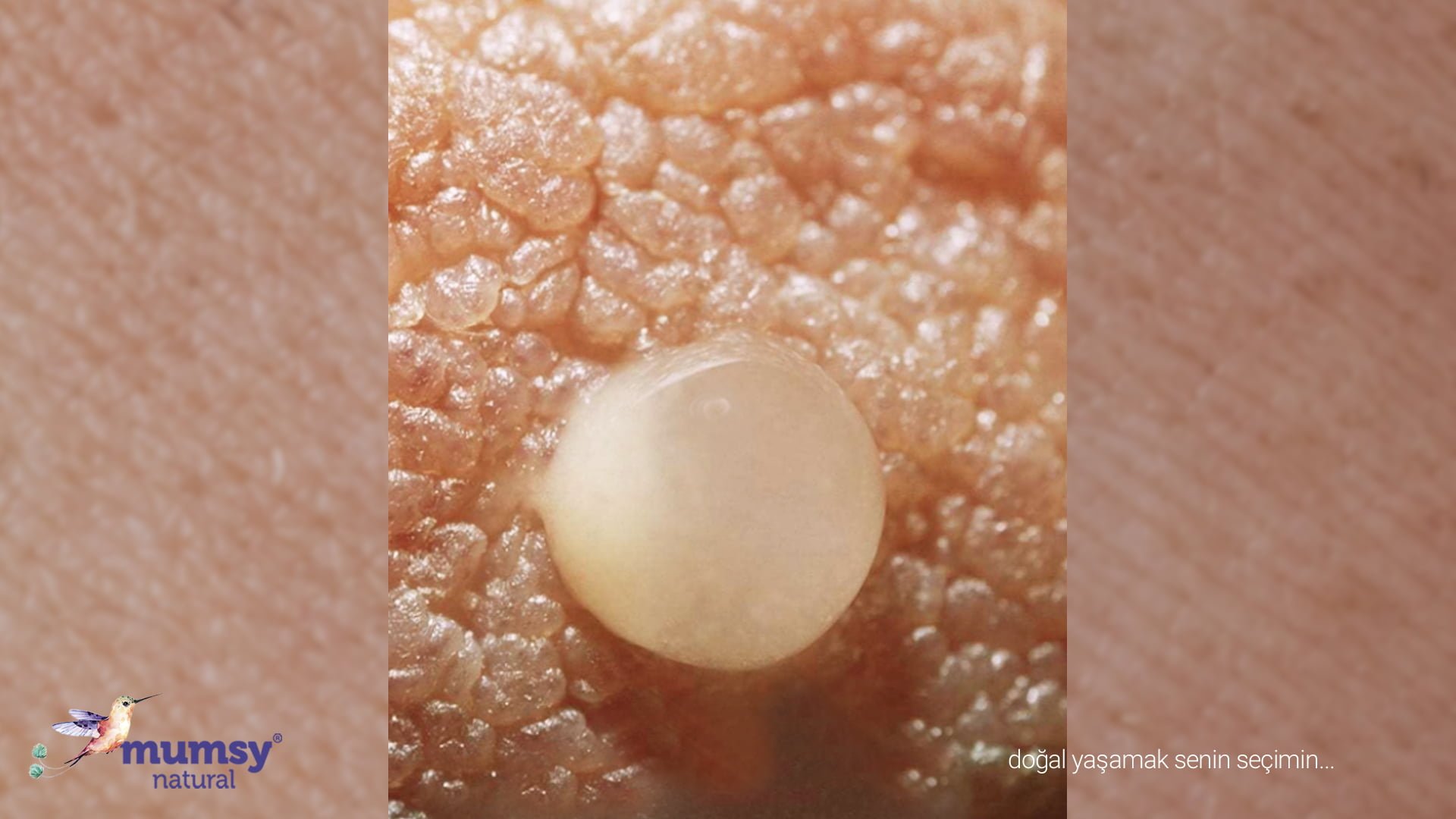
You’re breastfeeding your baby and suddenly feel a sharp, pinpoint pain with every latch. You check your nipple and see a tiny white or yellow spot—no bigger than a pinhead. It might look like a pimple or a pearl. That, mama, is what’s commonly called a milk blister, or more formally, a clogged nipple pore.
What Is a Milk Blister?
A milk blister—also known as a bleb or milk pearl—is a small white or yellow bump on the nipple. It happens when thickened milk blocks a pore, trapping milk beneath the skin. It might look harmless, but for some breastfeeding mothers, it’s extremely painful, especially during nursing.
Left untreated, it can contribute to clogged milk ducts and even lead to mastitis.
What Causes Milk Blisters?
Milk blisters can be caused by:
Thickened milk that hardens and plugs the duct opening
Friction from tight bras, restrictive clothing, or poor latch
Infrequent feedings or improper drainage of the breast
Blocked Montgomery glands (those tiny bumps on the areola)

How to Treat a Milk Blister
Continue Breastfeeding Often
As painful as it may be, frequent nursing is key. It helps clear the blockage and prevents further buildup. If latching is too painful, try pumping with a quality breast pump.
Apply Moist Heat
Use a warm compress before feeding or pumping. A soft cloth soaked in warm water and held to the area can help soften the skin and open the pore.
Gentle Pressure
With clean hands, apply gentle pressure or massage behind the blister toward the nipple to help release the trapped milk. If the white cap is loosened, you may gently wipe it away—but never pop or pick at it.
Keep the Area Clean and Moisturized
Use clean fingers or sterile cotton pads to cleanse the nipple area. Apply a nipple-safe moisturizer or ointment after feeds—natural, lanolin-free options like Mumsy Natural Nipple Balm can help soothe the area and prevent cracking.
Use Cold Relief if Needed
If the pain continues after feeding, apply a cold compress or a chilled cabbage leaf to reduce inflammation. Always consult your healthcare provider before taking pain medications.
Try a Nipple Shield (if needed)
To reduce friction and discomfort from clothing, use a nipple shield that protects the area during healing.

When to See a Doctor
If the blister:
Persists for more than a few days
Is accompanied by fever, redness, or swelling
Leads to increased breast pain or symptoms of mastitis
…it’s time to reach out to your healthcare provider or a lactation consultant. They can help with proper latch correction, professional milk duct drainage, or other treatment options.
Final Thoughts
Milk blisters are common—and treatable—but they should never be ignored. Keep breastfeeding, apply warm compresses, and give your body time to heal. With proper care and patience, most milk blebs resolve on their own without complications.
Remember: You’re doing an amazing job. Breastfeeding has its challenges, and you’re not alone. When in doubt, reach out for support.