Blog
Breastfeeding Your Baby: Positions, Techniques, and What to Watch For

The Power of Breastfeeding
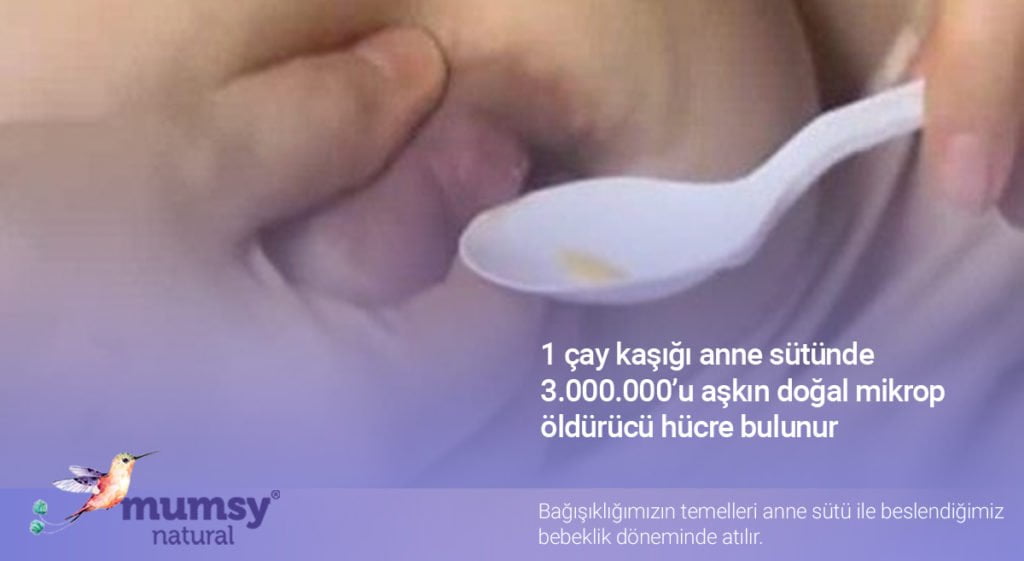
Scientific studies continue to uncover the many health benefits of breast milk—for both babies and mothers. Breast milk is a complete source of nutrition, providing all the protein, fat, vitamins, iron, and immunity-boosting elements a baby needs for the first six months of life. Research shows that babies who are breastfed have lower risks of asthma, allergies, childhood diabetes, obesity, and certain cancers. For mothers, breastfeeding reduces the risk of breast and ovarian cancers, osteoporosis, and anemia.
But breastfeeding isn’t just about milk. How you breastfeed matters too. The right position, technique, and care can make the experience easier, healthier, and more comfortable for both you and your baby.
What to Do Before You Start Breastfeeding
- Start early: Place your baby on your chest for skin-to-skin contact and begin breastfeeding as soon as possible after birth—ideally within the first hour.
- Create a calm environment: Choose a quiet, relaxed space where both of you can focus.
- Wash your hands first: To prevent infections, always wash your hands before breastfeeding.
- Clean your nipples if needed: Use a gentle nipple cleansing lotion like Mumsy Natural to clean the nipple and areola.
- Sit comfortably: Rest your back against a firm surface, and if needed, place a stool or cushion under your feet.
How to Latch the Baby Correctly
- Hold your baby facing you—chest to chest, with their nose level to your nipple.
- Support the baby’s neck and head using your forearm or a pillow under your arm.
- Stimulate your baby’s rooting reflex by brushing your nipple gently on their upper lip.
- Once they open their mouth wide, guide the nipple and part of the areola into their mouth.
- The baby’s chin should touch your breast, and their mouth should cover more of the areola below the nipple than above.
- If the latch is shallow (only on the nipple), it can cause pain, cracking, and poor milk drainage. A deep latch prevents these issues.
Tip: If you need to unlatch your baby, never pull them off the breast. Gently insert your finger into the corner of their mouth to break the suction first.
Most Common Breastfeeding Positions
- Cradle Hold
The baby rests on your arm, with their head supported by the inside of your elbow. Their body lies across your lap, tummy to tummy with yours.
- Cross-Cradle Hold
Similar to the cradle hold, but you support the baby’s head with the opposite hand to guide a deeper latch. Ideal for newborns still learning to latch.
- Football Hold
You tuck your baby under your arm, like a football, supporting their head and neck with your hand. This is especially helpful after a C-section or with twins.
- Side-Lying Position
Both you and your baby lie on your sides, facing each other. Use a pillow under your head and another to support the baby. While comfortable for nighttime feeding, it’s important not to fall asleep during this position.
Nipple and Breast Care
After each breastfeeding session:
- Gently clean the nipple area with a mild, alcohol-free product like Mumsy Natural.
- Apply a nipple cream to soothe and protect the skin.
- Ensure your breasts are emptied regularly to maintain milk production and prevent engorgement or mastitis.
Final Thoughts
Breastfeeding is natural, but it’s also a skill—for both you and your baby. The right positioning, a calm environment, and gentle care routines can make a world of difference. Remember: it’s not just about feeding—it’s about bonding, nurturing, and supporting lifelong health.
SEO Focus Keywords:
- breastfeeding positions
- how to breastfeed a newborn
- correct baby latch
- breastfeeding techniques
- benefits of breastfeeding
- nipple care while breastfeeding
- breastfeeding after C-section
- football hold breastfeeding
- cradle hold vs cross-cradle