
Blog
What Color Should Breast Milk Be?

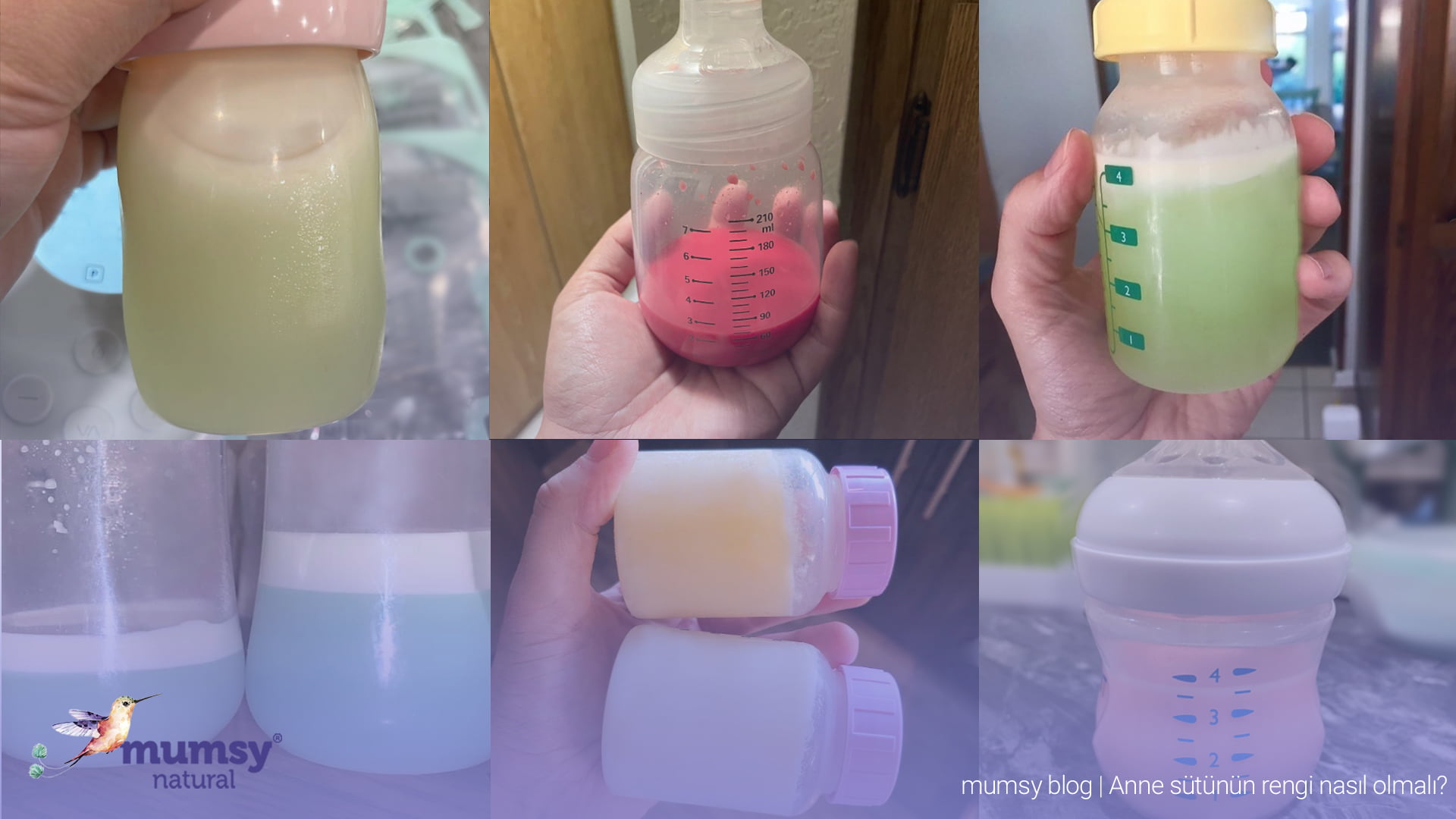
Understanding the Many Colors of Breast Milk
Don’t worry if your breast milk isn’t white or cream-colored—it’s completely normal for breast milk to vary in color depending on many factors. From yellow to green, pink to even blue-tinted, breast milk comes in a spectrum of shades that all tell a story.
💛 What’s Normal? More Than You Think
Many parents are surprised the first time they pump and see that breast milk isn’t always the milky white they expected. Breast milk can appear yellow, green, blue, pink, brown, or even red, and most of the time, it’s completely harmless.
Your baby likely drinks colorful milk all the time—you just don’t see it unless you pump. The color can change depending on what you eat, any medications you take, vitamins, herbs, or even if you’re fighting off an infection.

Breast Milk Color Guide
Here’s a breakdown of what different breast milk colors may mean:
🦋 Blue or Bluish-Green
Often early (foremilk) which is naturally thinner and lower in fat
Looks watery with a bluish tint—totally normal
🍃 Green
Common after eating a lot of leafy greens like spinach or kale
Can also result from iron supplements or certain medications
Rarely, green milk can signal infection—consult a doctor if unsure
🌻 Yellow or Golden
Usually colostrum (the first milk), which is thicker and packed with antibodies
Also common in transition milk and after eating foods like turmeric or carrots
Sometimes breast milk looks yellow when it’s been frozen
💕 Pink
Could be due to minor blood from cracked nipples
Sometimes caused by Serratia marcescens bacteria (consult a doctor)
Can also result from eating beets or foods/dyes with strong red pigment
🍎 Red or Rusty
Often seen in the first week postpartum
Usually from “rusty pipe syndrome”, where blood from milk ducts mixes with milk
Can also be from mastitis, engorgement, or cracked nipples
In most cases, it’s safe to continue breastfeeding
🩸 Is Blood in Breast Milk Dangerous?
While the sight of blood in breast milk can be alarming, small amounts are usually not harmful to your baby. Many babies will feed normally; some may fuss due to the taste. The general recommendation is to continue breastfeeding or pumping while treating the source of bleeding.
Important: Do not freeze or store milk with visible blood in it.
When to Call Your Doctor
If the color change doesn’t resolve within a few days
If you notice a foul smell, clots, or baby refuses to feed
If you see bright red blood consistently or have other infection symptoms
Final Thoughts
Breast milk is dynamic. Its color, taste, and composition can shift based on your baby’s needs, your health, and your diet.
Rather than focusing on color, pay attention to:
Your baby’s feeding cues and growth
Your comfort while feeding
Signs of breast health issues (like pain, swelling, or cracked skin)
As always, when in doubt, talk to a lactation consultant or pediatrician.
*For any non-temporary color change in your milk, consult your doctor.
**If there is blood in the milk you express, do not freeze it and store it.


