
Blog
The Science of Hugging: How Touch Shapes Your Baby’s Brain and Emotional Health

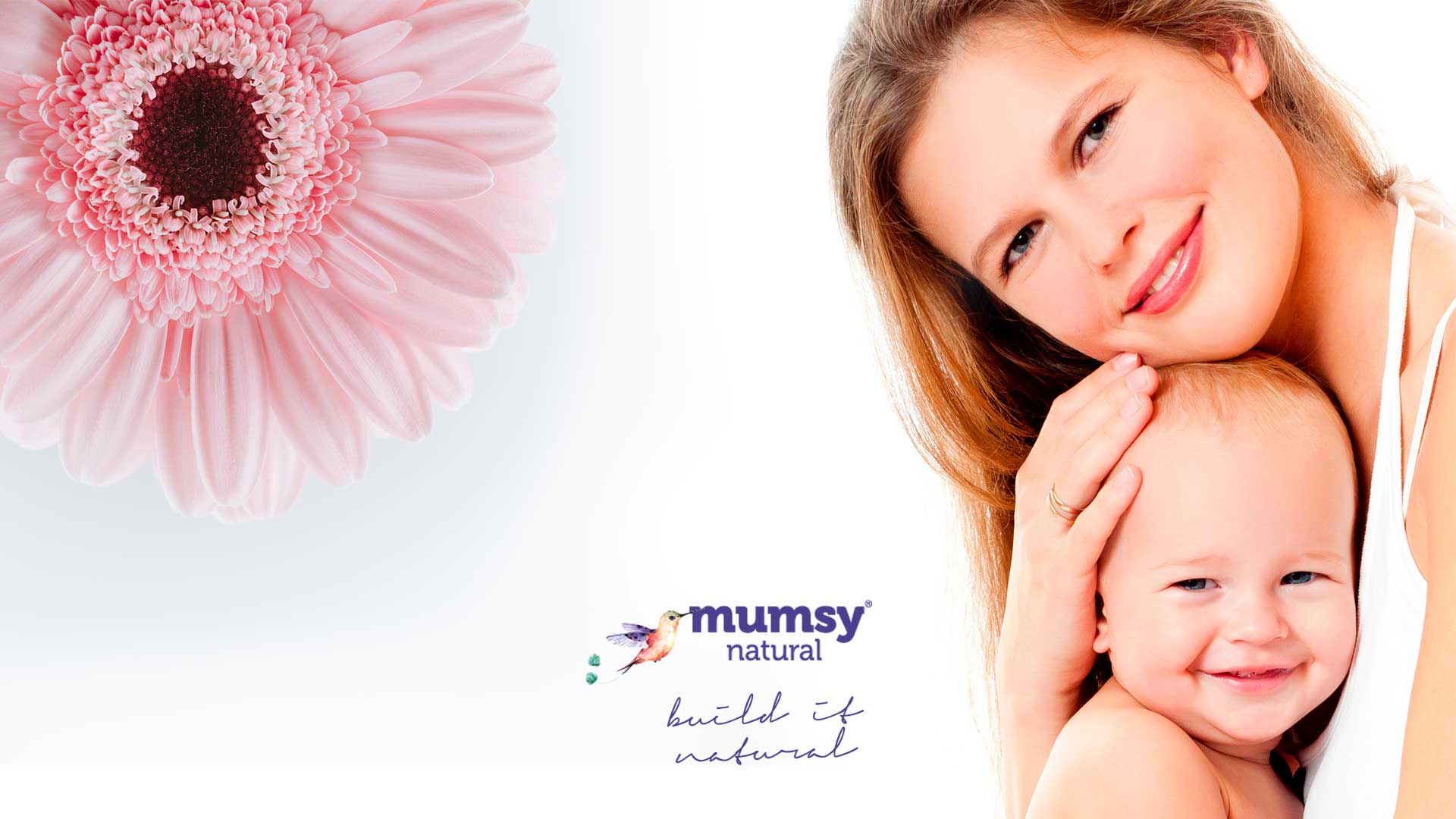
Touch Is the First and Last Sense
Touch is the first sense to develop in the womb and the last to fade with age. It’s more than physical—touch communicates connection, safety, and love. In moments where words fall short, a simple hug can offer deep comfort. Science confirms what our instincts already know: holding, touching, and hugging are vital for human development—especially for babies.
From the moment your baby leaves the safety of the womb, your arms become their new sanctuary. No matter the type of delivery, skin-to-skin contact right after birth isn’t just nice—it’s essential.
Skin-to-Skin Contact Builds Security and Connection
Research from Nationwide Children’s Hospital in Ohio found that gentle touch and frequent cuddling significantly support the development of premature and newborn babies. These interactions help babies adjust to life outside the womb by mimicking the secure environment they once knew. That’s why many neonatal units now encourage skin-to-skin care, even in incubators.
When babies are held close, levels of oxytocin, the “love hormone,” increase. This hormone reduces stress, fear, and anxiety—for both baby and parent. It also plays a critical role in initiating labor and supporting breastfeeding, and even blocks the brain’s fear center, making mothers more protective and attuned to their baby’s needs.
Why Hugs Matter—For Parents Too
The benefits of hugging aren’t just for the baby. Oxytocin is also released in parents during skin-to-skin contact, lowering stress hormones like cortisol and supporting emotional bonding. For fathers, physical closeness with their baby can deepen their connection and reduce anxiety in early parenthood.
Touch Enhances Growth, Immunity, and Emotional Regulation
Frequent hugs and physical closeness:
- Stimulate brain growth by enhancing neural connections
- Promote the release of growth hormones
- Strengthen the immune system
- Lower pain and blood pressure
- Help babies regulate emotions and manage stress more effectively
- Support secure attachment and emotional resilience
A hugged baby is not a “spoiled” baby. A hugged baby is safe, connected, and better prepared for the world.
The Myth of “Spoiling” Your Baby by Holding Them
Forget the outdated advice that says you’ll spoil a baby by holding them too much. Babies need physical closeness to feel secure. Touch helps them regulate their emotions, calm their nervous system, and feel loved. The more you hug them, the more confident and grounded they become.
If skin-to-skin contact isn’t possible, even holding your baby’s hand or gently stroking their back can create soothing effects. Touch helps them settle down, sleep better, and feel your presence in a world that’s still new and unfamiliar.
Hug Often—for Your Baby and Yourself
Hugging is one of the simplest, yet most powerful acts of care. It reduces stress, improves emotional balance, and builds lifelong bonds.
So the next time you feel overwhelmed or stressed, hug someone you love—or better yet, hug your baby. In doing so, you both release oxytocin, lower your heart rate, reduce blood pressure, and strengthen your immune systems.
Final Thoughts: A Life Filled with Oxytocin Is a Life Filled with Love
Touch is medicine. It soothes, heals, and connects. A warm embrace supports not only your child’s physical development but their emotional intelligence, stress resilience, and sense of belonging.
Let go of the myths, and lean into love. Hug often. Hug long. And don’t forget to hug yourself, too.


