
Blog
Tips for families on vacation

Children are more likely to encounter dangers and illnesses during the summer months. It is very important to protect them from the risks and health issues that come with the season. In particular, sunburns that occur during childhood due to lack of precaution significantly increase the risk of developing skin cancer later in life.
Before embarking on a long journey, I recommend that parents take their children for a medical check-up. Traveling with a child who is already showing early signs of illness can be exhausting and stressful for both the child and the parents.
Before setting out on a trip, be sure to pack a thermometer, saline drops for nasal congestion, medication containing paracetamol, antiseptic creams, allergy relief medicines, burn ointment, gel for insect and mosquito bites, adhesive bandages, and a mosquito net. Also, bring along a life jacket for your child to use in the pool or sea, sunscreen, a hat, and beach slippers.

Buy new toys that your child might like before traveling by car or plane
After reminding that babies and children must travel in the back seat of the car in their own car seats to prevent traffic accidents, be sure to bring along newly purchased toys and books that your child might love and that could capture their attention, to avoid boredom during the journey. Children under the age of one can also travel long distances by car. However, you should take breaks throughout the journey and breastfeed your baby every two hours. Additionally, since the baby remains in the same position for an extended time, it’s important to take breaks, remove them from the car, and change their position to ensure comfort.
Offer a bottle or pacifier during take-off and landing
When traveling by plane, it’s essential for children with ear problems to get medical clearance before the trip. Due to pressure changes during take-off and landing, babies should be breastfed or given a bottle or pacifier to help ease ear discomfort. Older children can be given gum to chew.
 Pay attention to fluid intake
Whether traveling by car or plane, air conditioning can cause dehydration in children. Therefore, it is critical to ensure they stay well-hydrated. When traveling to a hot climate or going on vacation, don’t allow children to overexert themselves or get overly tired during the first few days while they are acclimating. Make sure they are well-hydrated before engaging in long activities. During activity, children weighing around 30-40 kilograms (66-88 pounds) should drink 150-200 cc (5-7 oz) of cold water or fluids every 20 minutes, while children weighing 50-60 kilograms (110-132 pounds) should consume about double that amount. Ensure they drink this amount even if they don’t feel thirsty.
Change sweat-soaked clothes immediately
Make sure that children wear light-colored, thin, single-layered cotton clothing, and change any sweat-soaked clothes promptly. For babies under six months, avoid direct sun exposure and apply a small amount of sunscreen to exposed areas like the face and hands. For children aged six months to six years, apply a sunscreen with an SPF of at least 30 to exposed areas at least 30 minutes before going outside. For children seven and older, encourage them to stay in the shade as much as possible and avoid direct sun exposure between 10:00 AM and 4:00 PM when UV rays are strongest. Apply a generous amount of sunscreen with an SPF of at least 30 and reapply every two hours, or after swimming or heavy sweating. Choose mineral-based sunscreens for better mechanical protection, even if they leave a whitish layer on the skin, as they minimize exposure to unnecessary chemicals.
Ensure children are always within arm’s reach
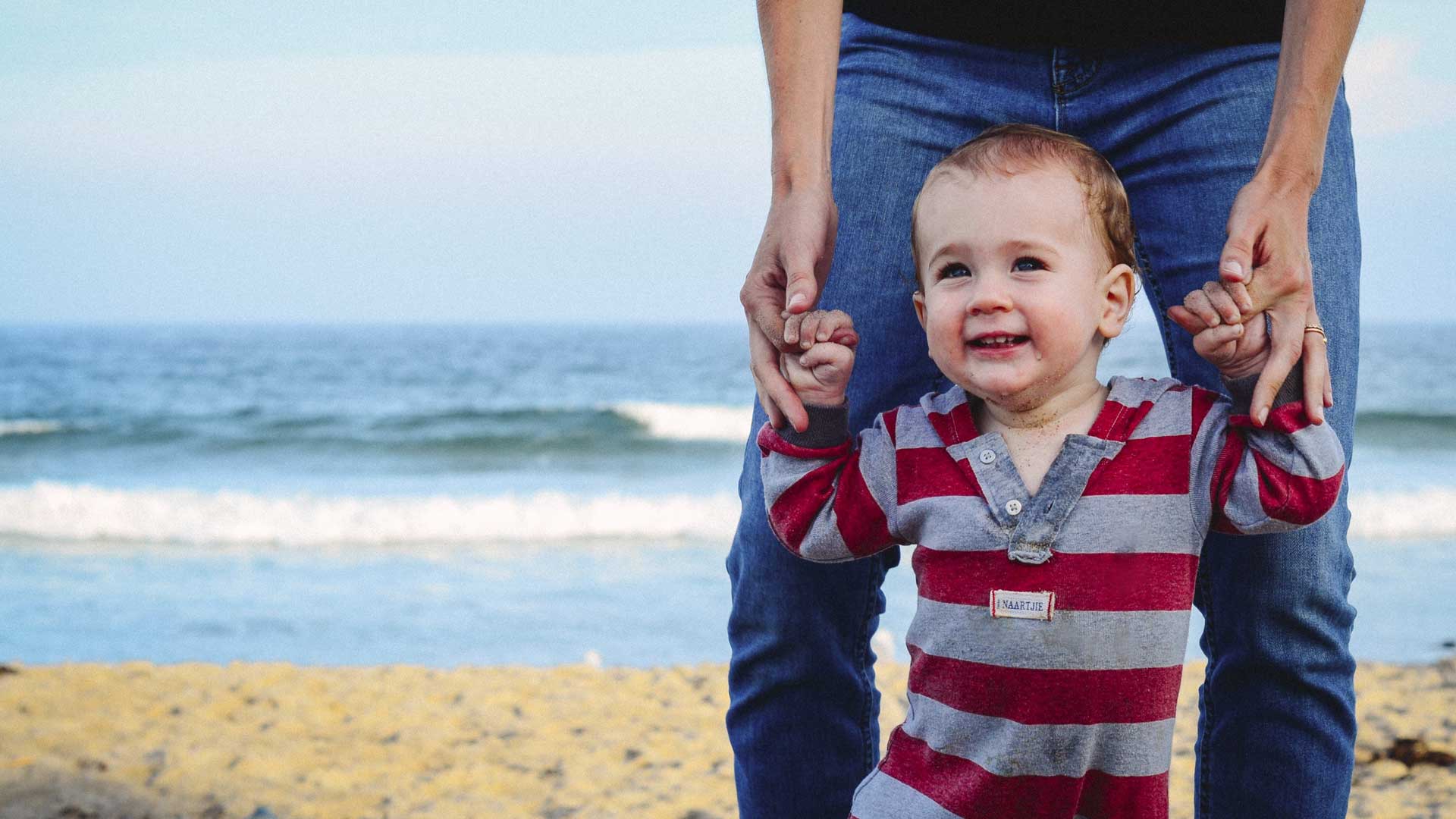
Remember that a child can drown in water as shallow as knee-deep for a child or just a few inches for an infant. Always keep your child within arm’s reach when near water. If you have a pool in your garden, surround it with a fence taller than your child’s height. Keep a phone and rescue equipment nearby the pool. Always avoid inflatable pool toys like water mattresses.
If your child shows symptoms such as fatigue, vomiting, or high fever, it is crucial to consult a doctor immediately. Ignoring even minor symptoms can turn your summer holiday into a nightmare — I speak from experience.


